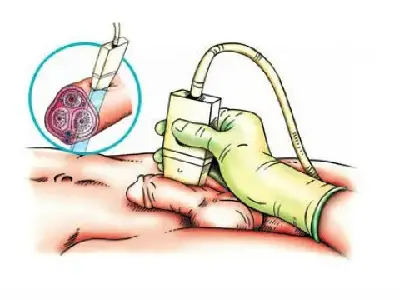
A scrotal ultrasound, also known as a testicular ultrasound or scrotal sonography, is a diagnostic imaging procedure that involves the use of high-frequency sound waves to create images within the scrotum. The scrotum is the pouch of skin and muscle that houses the testicles. Scrotal ultrasound is a non-invasive and effective tool for evaluating various conditions affecting the testicles and surrounding structures.
Here are key points about scrotal ultrasound:
1. Purpose:
- Testicular Evaluation: Scrotal ultrasound is primarily used to assess the testicles and surrounding structures for abnormalities, such as pain, swelling, lumps, or other concerns.
- Detection of Abnormalities: It can identify conditions such as testicular torsion, epididymitis, hydrocele, varicocele, cysts, tumors, and other structural abnormalities.
2. Procedure:
- The patient typically lies down, and a water-soluble gel is applied to the scrotal skin to facilitate the transmission of sound waves.
- A handheld transducer is then moved gently over the scrotum, emitting sound waves that bounce back and create real-time images on a monitor.
3. Applications:
- Testicular Torsion: Scrotal ultrasound is crucial in assessing blood flow to the testicles, aiding in the diagnosis of conditions like testicular torsion, which is a medical emergency.
- Varicocele: It can identify dilated veins (varicoceles) within the scrotum, which may affect sperm production and fertility.
- Tumors and Cysts: The procedure can detect and characterize testicular tumors, cysts, and other growths.
- Epididymitis: It helps in evaluating inflammation of the epididymis, a coiled tube behind the testicle.
4. Advantages:
- Non-Invasive: Scrotal ultrasound is a non-invasive imaging technique that does not involve radiation.
- Quick and Painless: The procedure is usually quick, and while there might be slight discomfort, it is generally well-tolerated.
5. Limitations:
- Limited to Scrotal Structures: Scrotal ultrasound focuses on the scrotum and testicles and does not provide information about structures outside this area.
Scrotal ultrasound is a valuable diagnostic tool that helps healthcare providers identify the cause of symptoms, guide treatment decisions, and assess the overall health of the reproductive organs. If you are experiencing scrotal pain, swelling, or other symptoms, it's important to consult with a healthcare professional who may recommend a scrotal ultrasound based on your specific situation.